


-768x768.webp)



-768x404.webp)


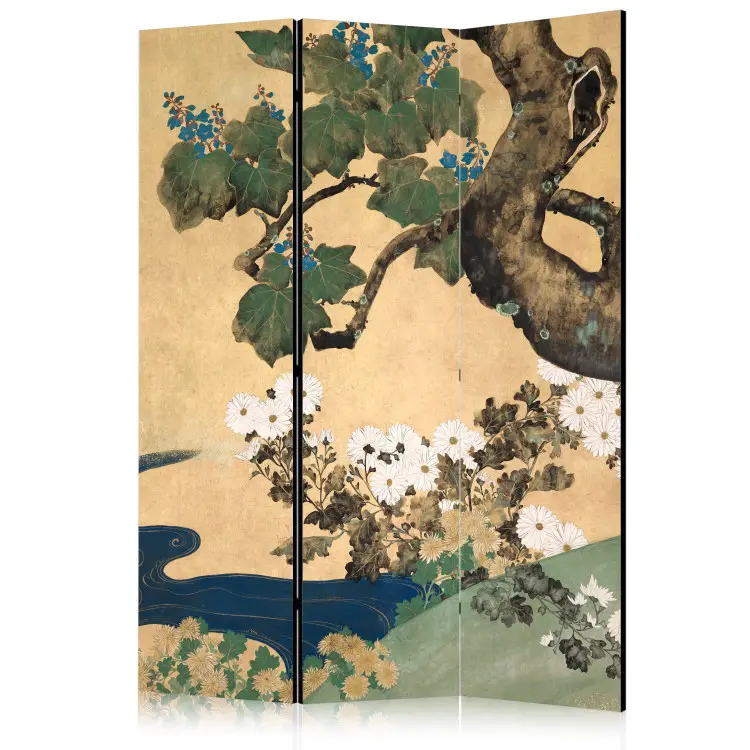
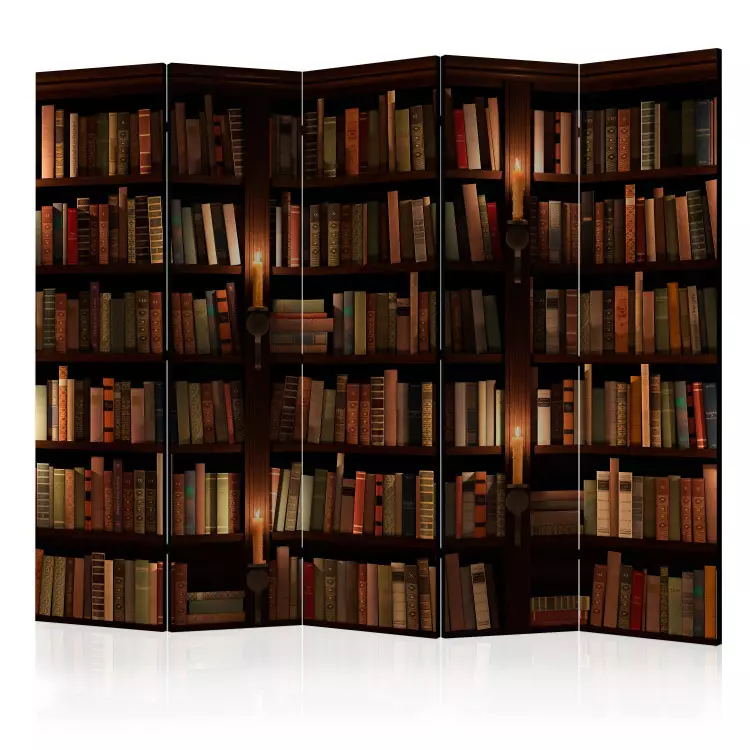
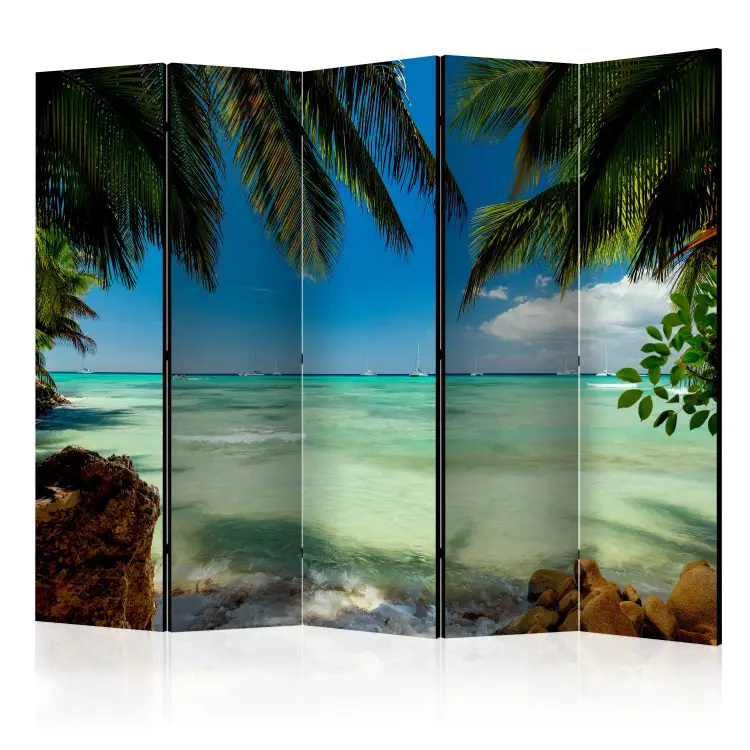
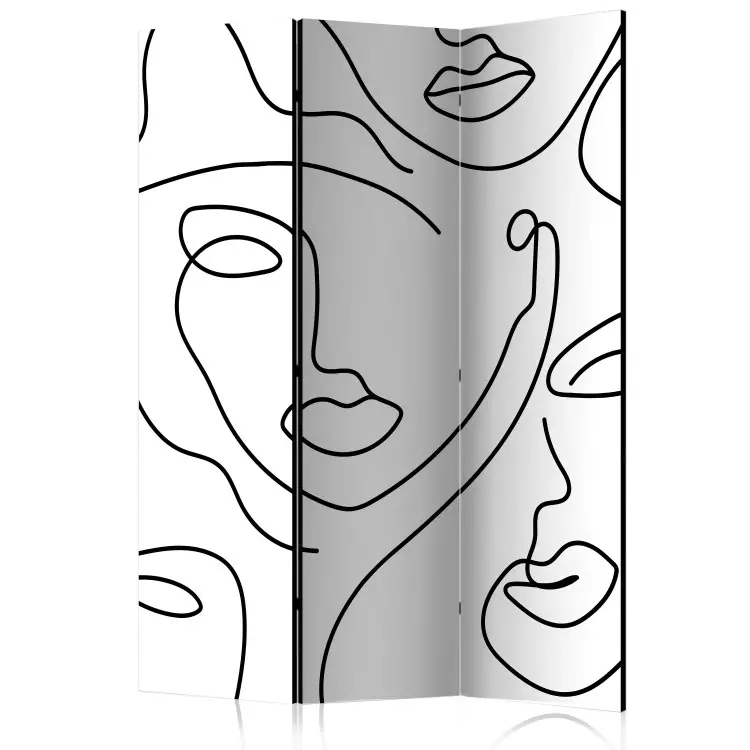
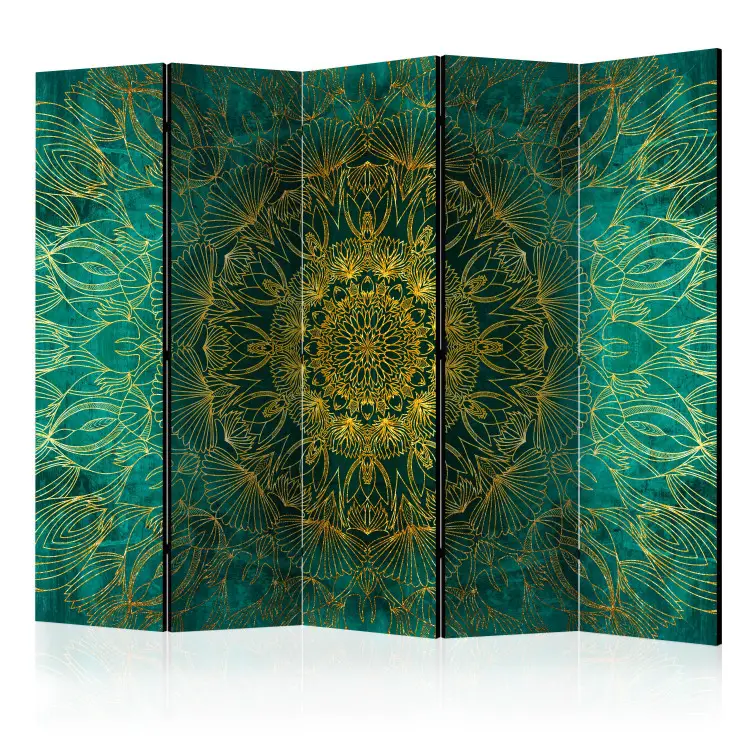
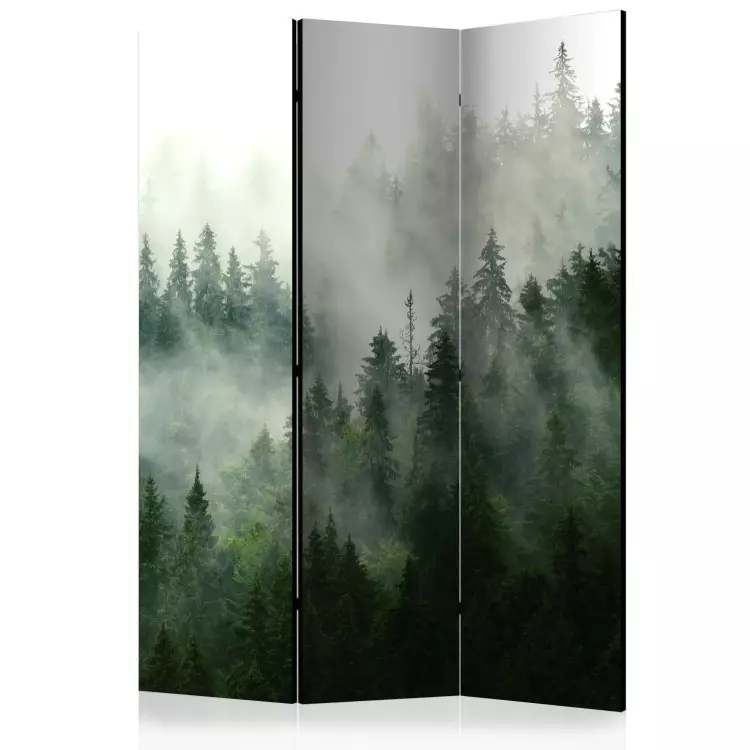
How to divide space in a small apartment with a room divider and make the most of its potential?
A room divider for a studio flat can fulfil a surprisingly wide range of functions – thanks to its ability to practically partition a living space and introduce a designer accent. If you are wondering how to divide your apartment with a room divider and unlock its full potential, take a look at the tried-and-tested ideas below. Each of the 6 suggestions addresses a different need of small apartment and studio flat owners.
• Creating a bedroom area in a studio flat. In an apartment without a separate bedroom, a room divider placed along the bed creates an intimate sleeping nook and screens it off from the living area. A 3- or 5-panel room divider with a height of around 170 cm effectively conceals the bed without blocking the flow of light or air.
• Setting up a remote working space. A room divider for the work zone, placed behind or to the side of the desk, draws a clear boundary between the workspace and the relaxation area. This has a positive effect on the comfort of the household and the functionality of the apartment.
• Hiding unsightly elements in the interior. In small apartments, there is not always somewhere to tuck away items that spoil the look of the room. A decorative room divider for a small apartment can cleverly conceal a clothes airer, a washing machine in the corridor or household equipment.
• Wardrobe or changing area. A room divider unfolded in a corner of the bedroom or next to a wardrobe can serve as a practical dressing area or a convenient screen, providing privacy even when guests are visiting.
• Noise reduction in the apartment. Double-sided room dividers with an acoustic option contain a special sound-dampening material that partially absorbs noise in the room. In a studio flat or small apartment, this is a useful solution – for example, when kitchen sounds are disrupting work at the desk.
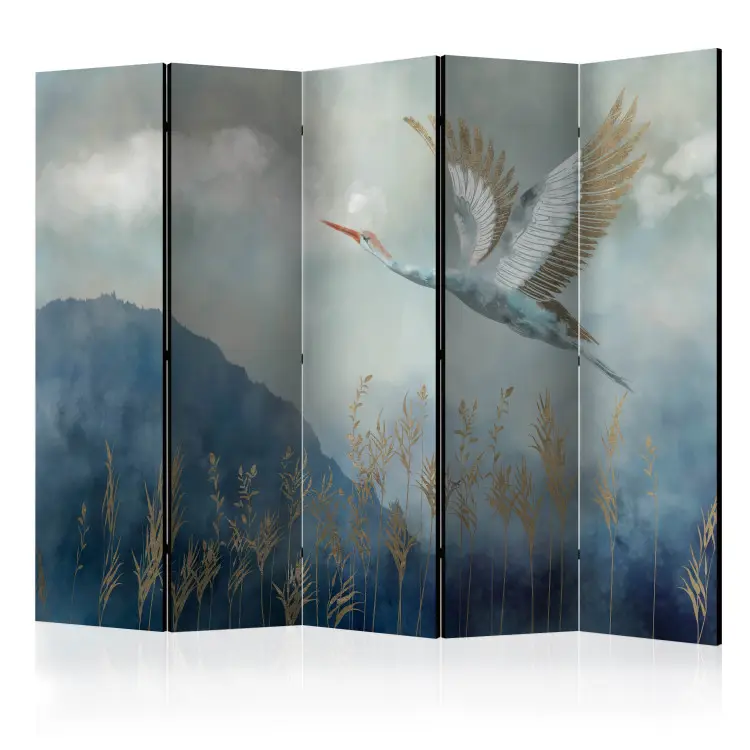
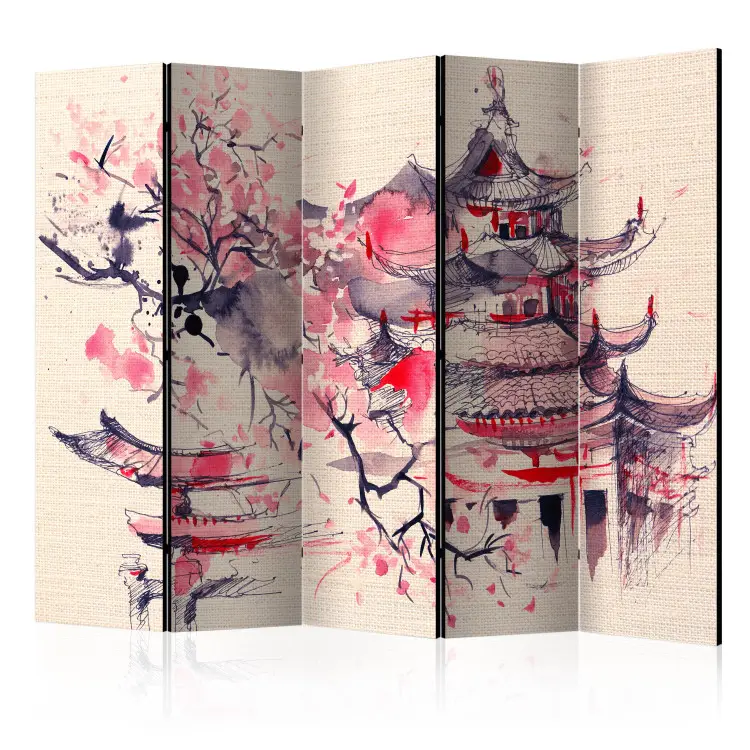
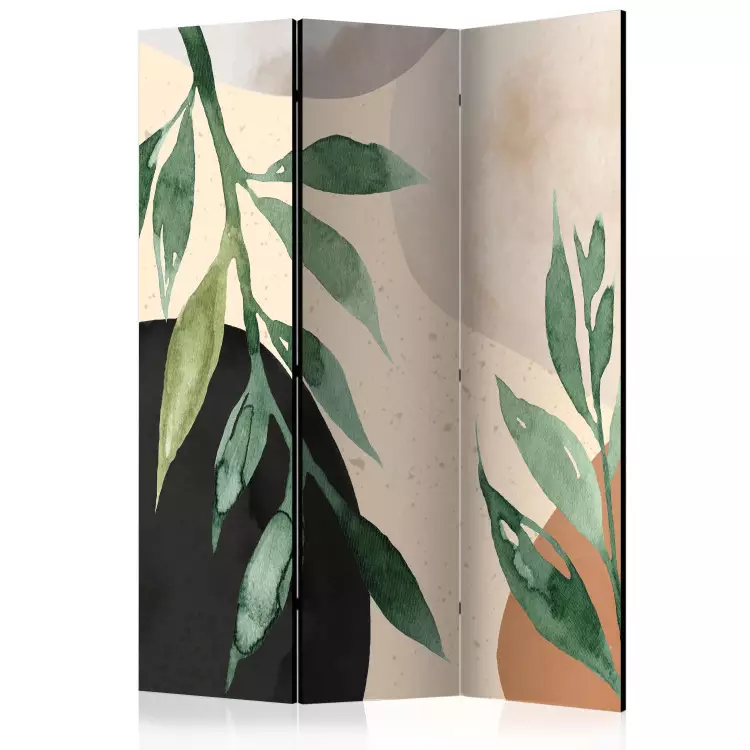
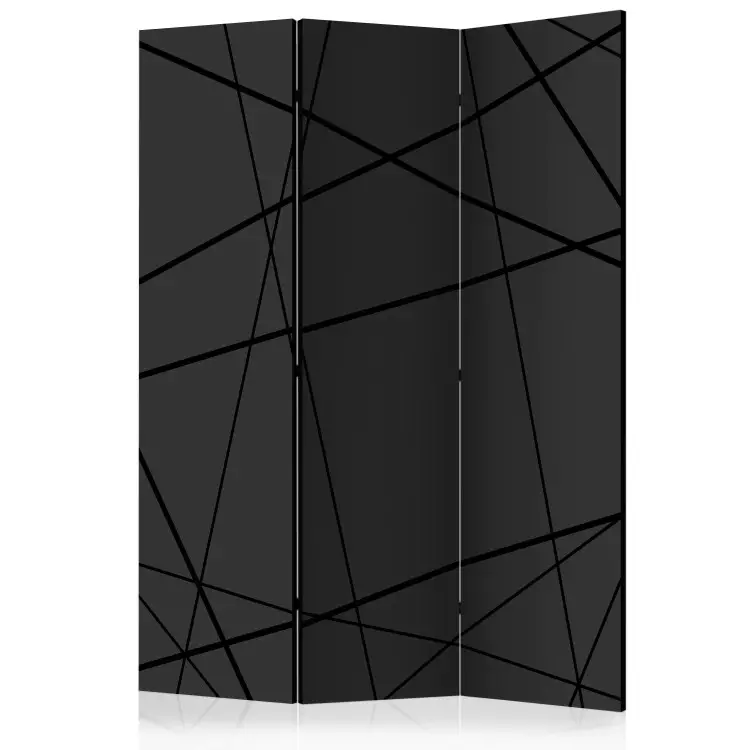
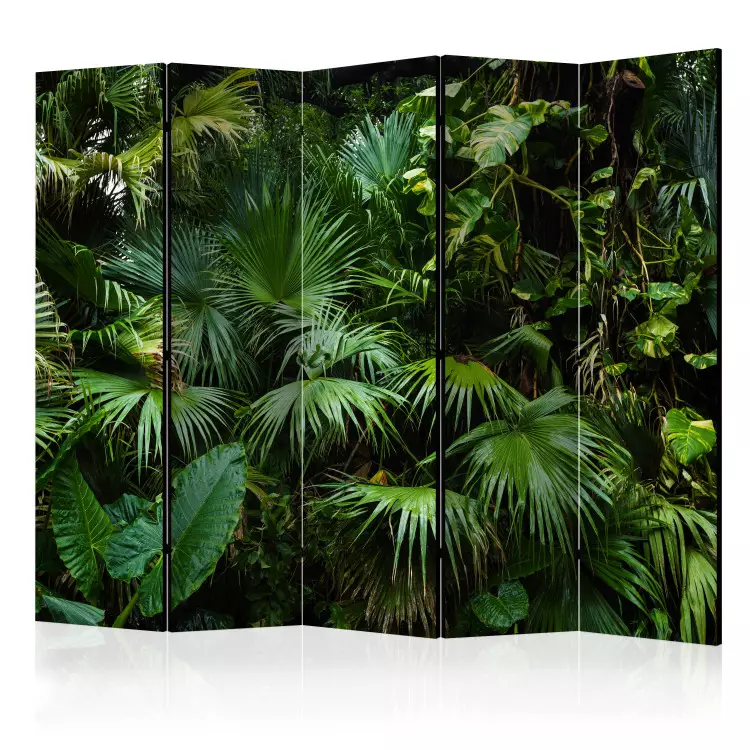
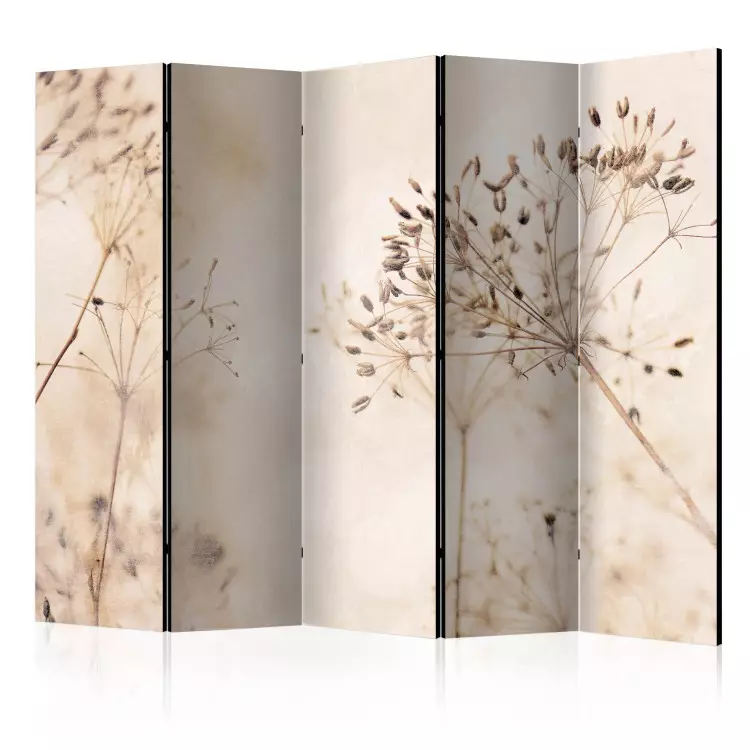
• A decorative accent that transforms the character of the room. A room divider with an eye-catching pattern – such as a botanical motif, geometric design or a Japanese-inspired print – can change the look of a room just as effectively as a canvas print on the wall or even new wallpaper. The wide selection of patterns offers plenty of possibilities.

Bimago experts advise: how to choose a room divider for a small apartment
When choosing a decorative room divider for a small apartment, it is worth starting with two questions: what purpose should it serve, and how much space is available for it? These two factors determine the size, number of panels and pattern that will work best.
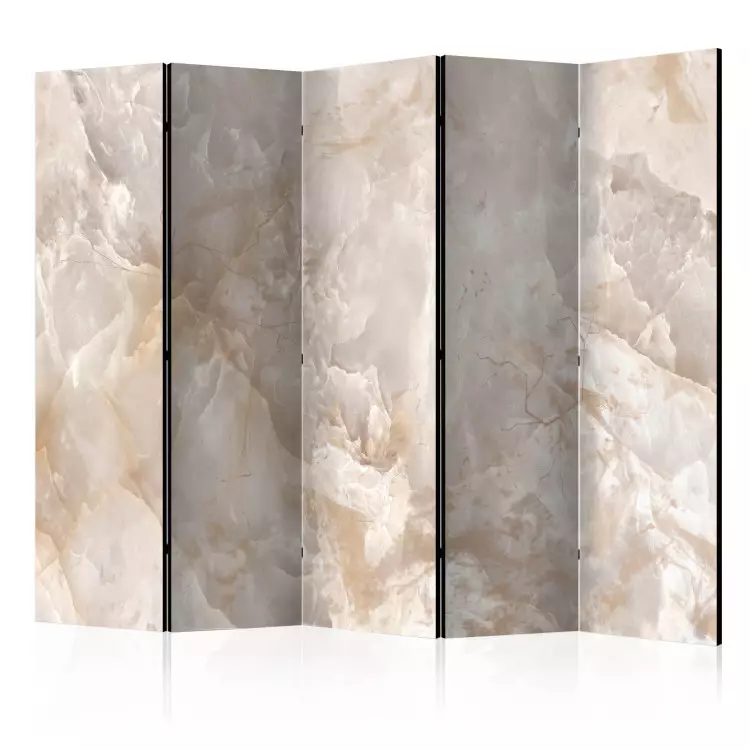
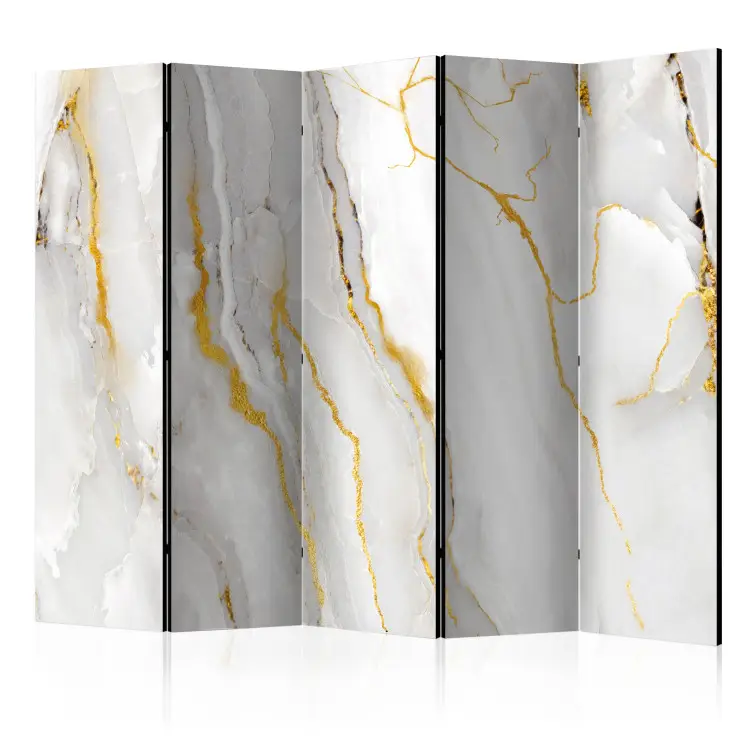
If the room divider for a studio flat is to stand permanently in one place and act as a partition – for example, separating the bed from the living area – the 5-panel version is the better choice. When unfolded, it spans approximately 225 cm in width, which is enough to conceal a standard double bed measuring 140–160 cm wide. If the room divider is only needed to screen a desk, a washing machine corner or a dressing area, the more compact 3-panel version is a better fit. Its unfolded width is approximately 135 cm and it takes up very little space. The height of most room dividers is around 170 cm, which is more than sufficient to provide privacy for a standing person.
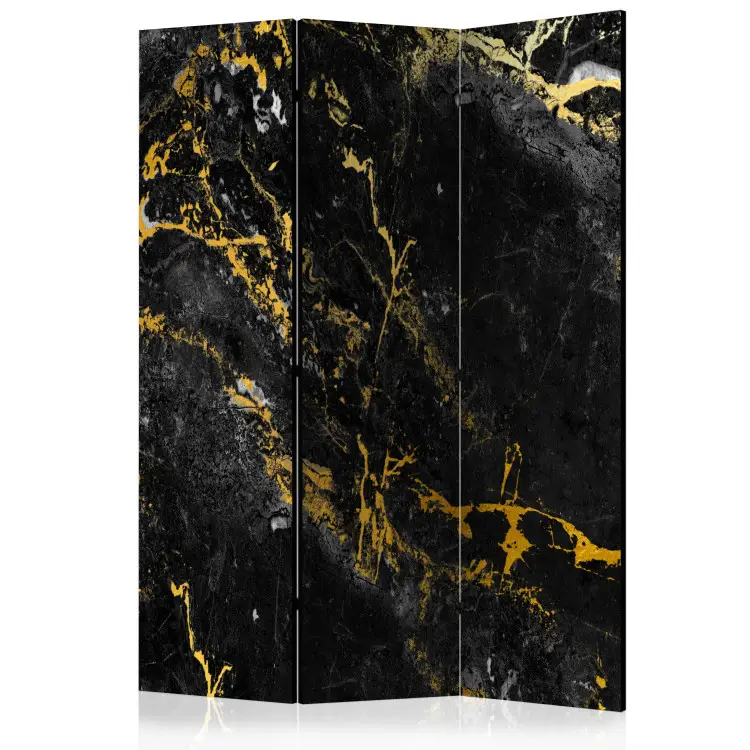
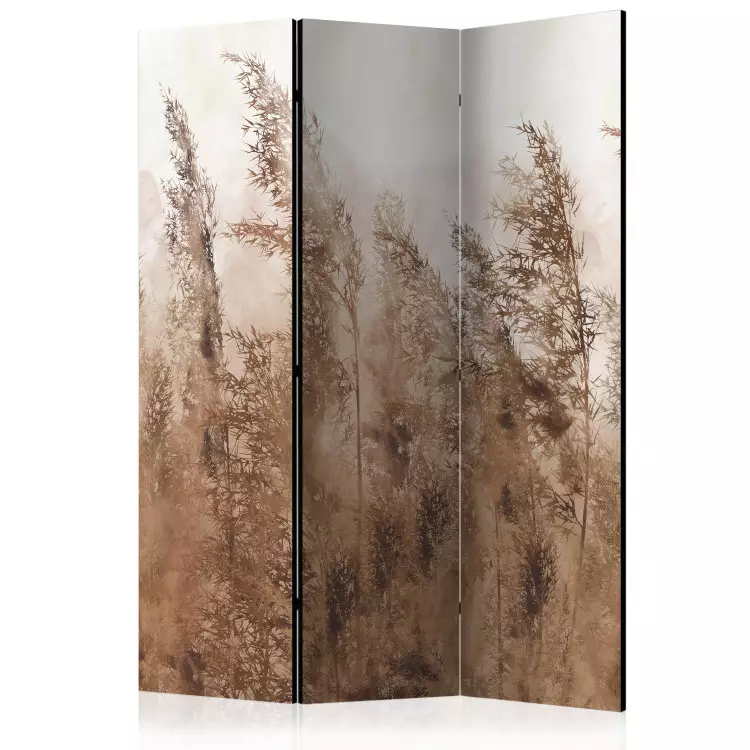
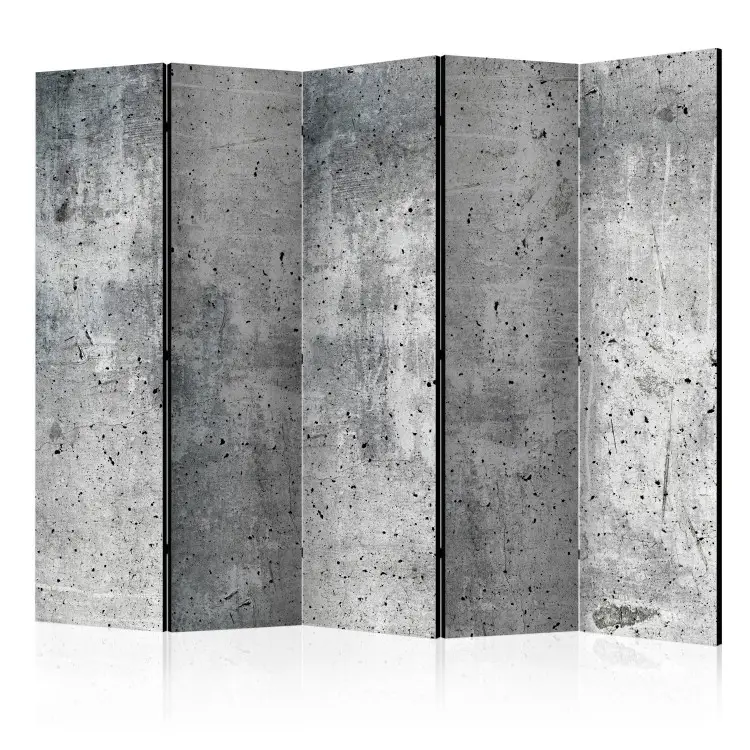
The pattern and colour of the room divider should complement the rest of the interior, but in a small apartment one important rule is worth remembering – light, airy patterns visually enlarge the space, while dark and intense ones can overwhelm it. In a studio flat of 25–30 m², a room divider in off-white, beige tones or with a delicate botanical motif will look lighter than one in deep black or saturated red. Decorative room dividers for small apartments in a Japanese style gently filter light, so they will not darken the interior even when placed near a window.
It is also worth considering exactly where the room divider will be positioned. Placed perpendicular to the wall, it will divide the room into two distinct sections. Positioned at an angle, it creates a softer transition between zones. In narrow interiors, an angled placement works better because it avoids creating a corridor-like feel. If the room divider stands near a window, it is a good idea to leave at least 30–40 cm of clearance from the glass to avoid restricting daylight and making it difficult to open the window.
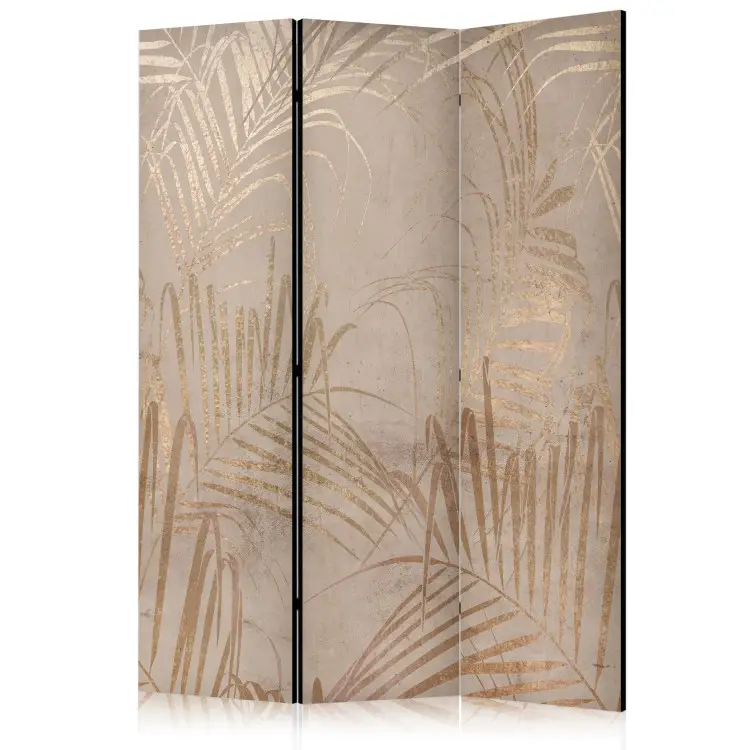
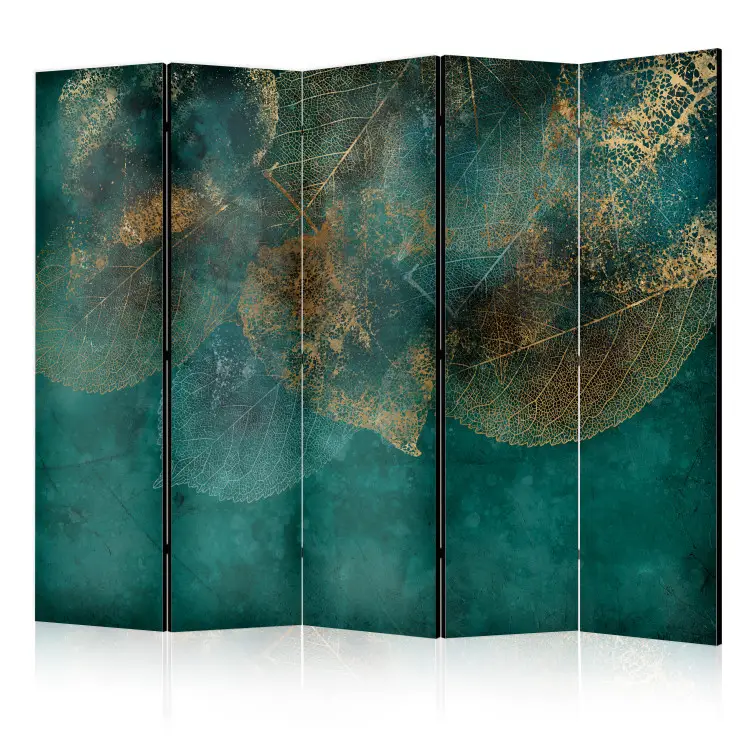
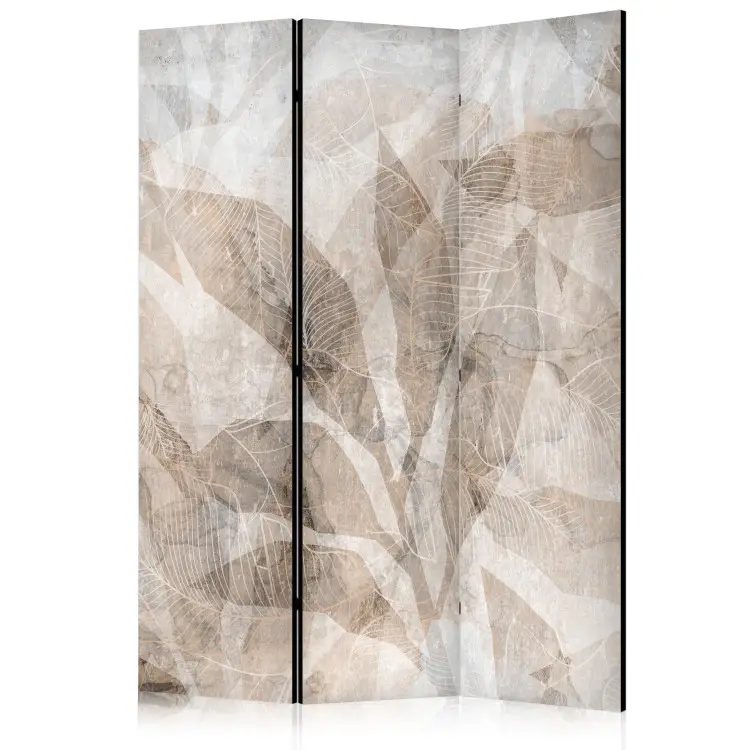
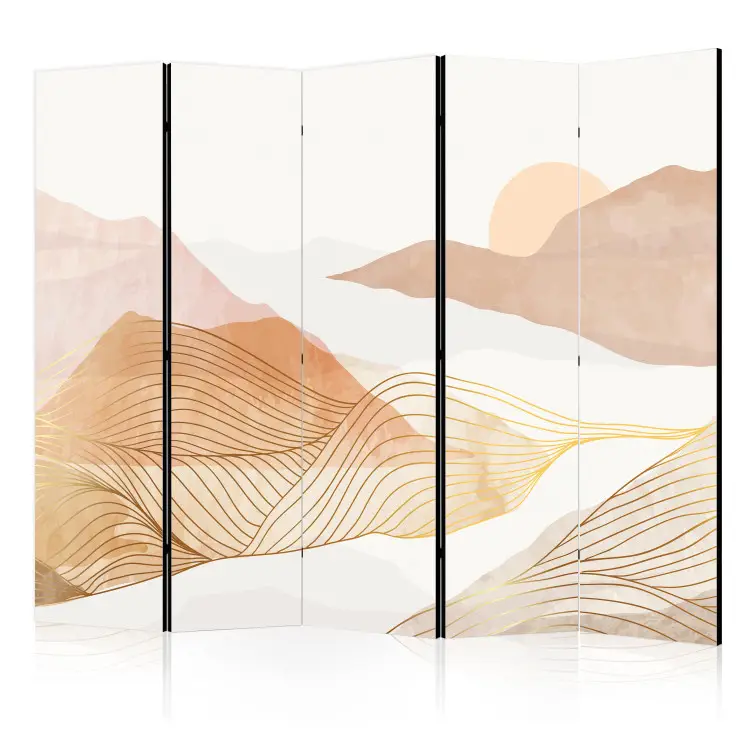
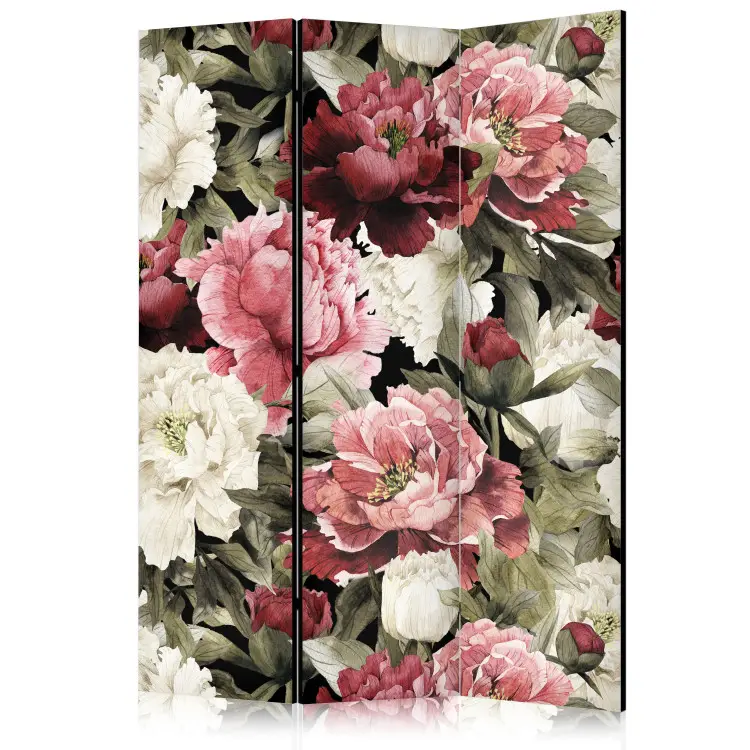
When should you choose a room divider, and when another method of dividing a space?
A decorative room divider for a small apartment is worth choosing when you need a quick, reversible and aesthetically pleasing way to divide the space. For other requirements, a bookshelf, a plasterboard partition wall or a curtain on a rail may prove a better solution.
If you need a permanent and acoustically effective division within the apartment, a room divider alone may not be enough. Although Bimago offers acoustic room dividers that partially dampen sound and improve comfort in the room, they cannot replace full sound insulation. In such a situation, a lightweight partition wall or a floor-to-ceiling shelving unit is the better choice. A room divider for a studio flat, on the other hand, is ideal when the goal is a symbolic and visual division of the interior and marking boundaries between zones.
In apartments where the layout changes frequently – for example, when the living room regularly becomes a guest bedroom – a room divider outperforms every other solution. A mobile room divider requires no dismantling or shifting of heavy furniture. It folds flat in seconds and can easily be tucked behind a wardrobe or slipped into a gap between pieces of furniture.
If the room divider is intended primarily as a decorative feature, it is worth treating it like a canvas print or a large sculpture. A room divider with a fashionable geometric pattern, botanical motif or Japanese-inspired design, placed in a prominent spot, becomes an intriguing accessory and transforms the character of the entire interior.
It is worth knowing that a decorative room divider for a small apartment also works beautifully alongside other space-dividing methods. It can be placed next to a low shelving unit to extend the dividing line, or combined with a curtain on a rail to fully enclose the sleeping area. A decorative room divider will certainly add an aesthetic touch to such a solution.

The most common mistakes when choosing a room divider for a small apartment
The most common mistakes when choosing a decorative room divider for a small apartment stem from a mismatch between the size, pattern or placement and the actual conditions and proportions of the interior.
The most widespread mistake is buying a room divider that is too small for what it needs to conceal. A 3-panel room divider measuring 135 cm in width cannot hide a double bed that is 160 cm wide. In such a setup, the room divider looks as though it was placed without a plan, and the bed still protrudes on both sides. Before purchasing a room divider for a studio flat, it is worth measuring both the width of the item you want to screen and the available space for the decoration.
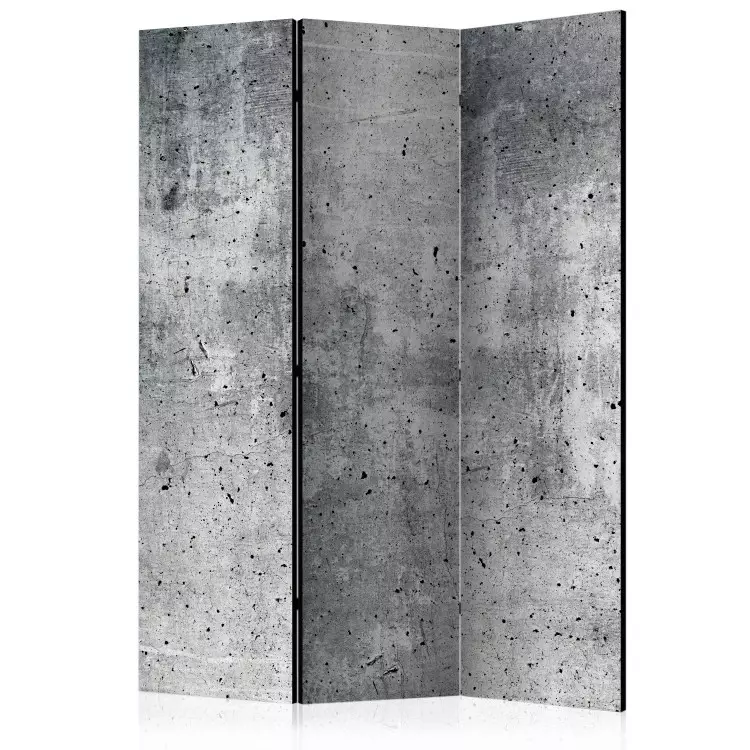
Another common problem is choosing a pattern that is too dark or too intense for a genuinely small apartment. In a studio flat of 20–25 m², a room divider in dark colours placed in the centre of the room visually shrinks the space and makes the interior feel cramped and oppressive. Light, understated room dividers with delicate patterns work far better in such compact spaces.
Another mistake is positioning the room divider in a way that blocks natural light from the window. In small apartments there are few windows, and every ray of sunlight matters for the feeling of spaciousness. A room divider placed directly in front of a window turns a bright room into a dark corner. It is better to position it perpendicular to the window or choose a Japanese-style room divider that lets some light through.
It also happens that a room divider is placed too close to the furniture, and instead of creating the impression of a separate zone, it looks as though it has been pressed up against them. Between a decorative room divider and a sofa, bed or desk, it is worth leaving at least 20–30 cm of free space so that the overall arrangement looks harmonious.
The last common mistake is an excess of decorations. A room divider with a bold pattern is already a strong design element in its own right. If you also hang three canvas prints on the wall next to it and fill the shelves with figurines and ornaments, the room becomes visually chaotic. In a small apartment, it is better to opt for fewer elements, but chosen with thought.
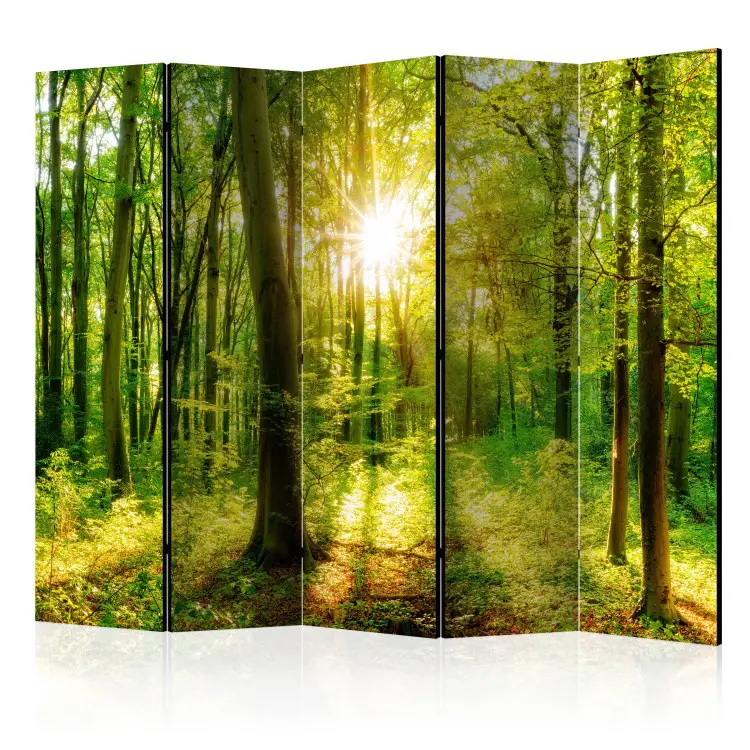
FAQ – Frequently Asked Questions
What room divider should you choose for a studio flat?
For a studio flat, it is best to choose a room divider in light colours with a subtle pattern. A 3-panel room divider is sufficient to screen a desk or dressing area, while a 5-panel one effectively separates the sleeping zone. A light colour scheme will not visually shrink the already limited space.
How do you divide an apartment with a room divider?
A room divider placed perpendicular to the wall divides the room into two distinct sections – for example, a bedroom and a living area. Positioned at an angle, it creates a gentler transition between zones. It is worth measuring the width of the area to be separated and choosing a decorative room divider with the appropriate number of panels.
Can a room divider make an apartment look larger?
Yes, light-coloured room dividers in muted tones reflect light and give the interior a sense of spaciousness. Japanese-style room dividers gently filter light and do not create the impression of a heavy partition.
Does a room divider block light in an apartment?
This depends on the model and placement. Dark room dividers with solid panels block light when they stand between the window and the rest of the room. Japanese-style decorative room dividers let some light through. The safest approach is to position the room divider perpendicular to the window.
How do you match a room divider pattern to the style of the apartment?
A room divider with a botanical or landscape motif suits Scandinavian and Japandi-style interiors well. Geometric patterns, on the other hand, work brilliantly in modern settings. In apartments with plenty of wood and natural materials, a room divider in warm beige tones is a good choice.